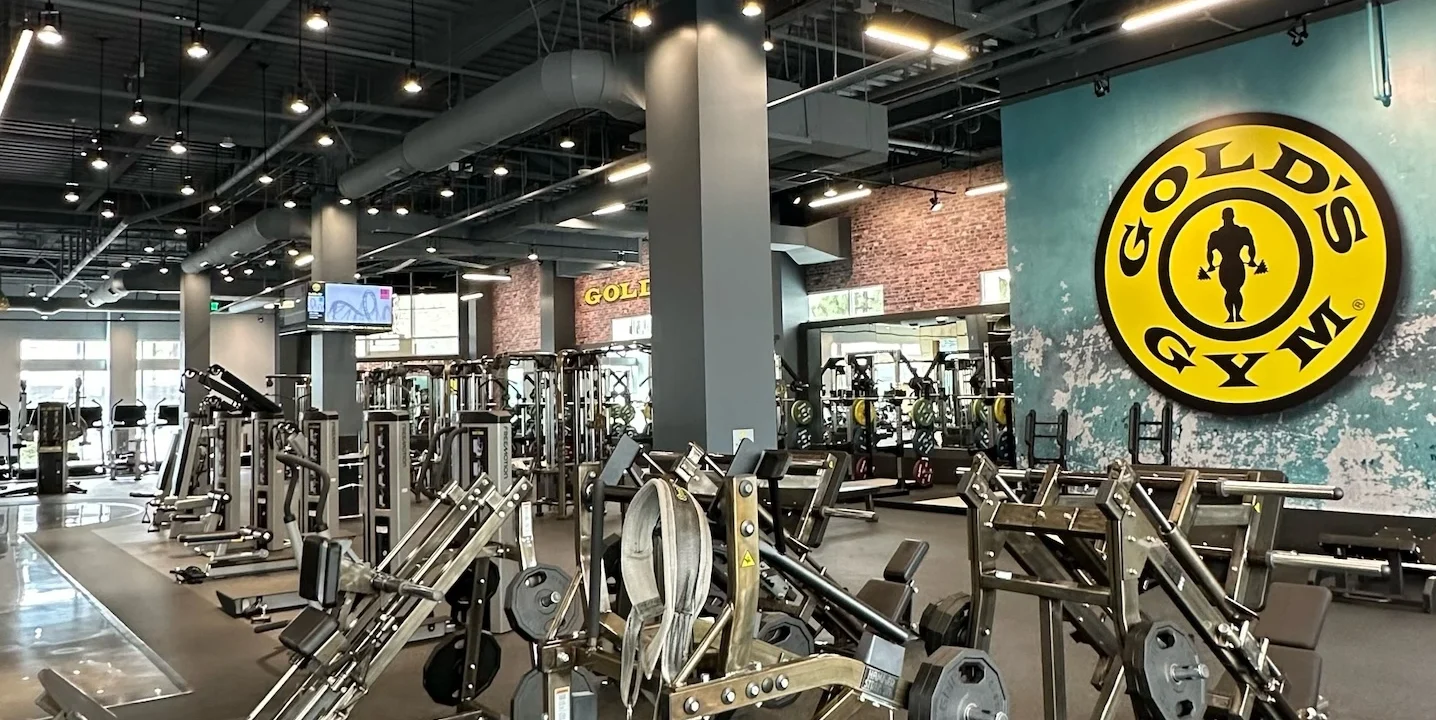

The fitness industry has experienced remarkable growth over the past two decades. Today, it is one of the most consistent and prominent franchise industry segments in the entire market. From boutique fitness studios and personal training concepts to large-format gyms and specialized wellness centers, entrepreneurs have found countless opportunities to build successful businesses around health and fitness. Yet many fitness business owners eventually reach an important question: how can I expand beyond a single location and build a larger brand?
While opening corporate-owned locations is one option, franchising has become one of the most effective strategies for scaling a fitness concept while leveraging the capital, management, and local market expertise of franchise owners. Some of the most successful fitness brands in the world, including Anytime Fitness, Orangetheory Fitness, F45 Training, The Exercise Coach, Crunch Fitness, and StretchLab, have used franchising to grow from a single location into regional, national, and even global brands.
For fitness entrepreneurs with a proven concept, franchising can provide a roadmap for sustainable growth, recurring revenue, and long-term enterprise value. However, successful franchise expansion requires much more than simply selling franchise licenses. It requires building a replicable business model, creating strong systems, and developing the infrastructure necessary to support franchisees. Read more about the fitness market and the opportunity for franchising fitness brands.
Why Fitness Concepts Are an Ideal Fit for Franchising
Fitness businesses possess many of the characteristics that make a concept highly franchiseable. First, fitness services are recurring in nature. Unlike many retail businesses that rely on one-time purchases, gyms and fitness studios generate monthly membership revenue, creating predictable cash flow and customer retention opportunities. Second, health and wellness remain powerful consumer trends, with consumers continuing to prioritize fitness, longevity, weight management, stress reduction, and overall well-being. Third, fitness businesses often benefit from local ownership. Franchisees who live in their communities are typically more engaged in local marketing, community partnerships, and member retention efforts than distant corporate managers. When these factors are combined with strong operating systems and brand recognition, fitness concepts can become highly scalable franchise models.
Step 1: Determine Whether Your Fitness Concept Is Franchise Ready
One of the biggest mistakes fitness business owners make is attempting to franchise too early. A successful fitness location does not automatically translate into a successful franchise system. Before launching a franchise program, consider several key questions: Is the business consistently profitable? Have the operating systems been documented? Can another operator duplicate the results? Does the model work without the founder’s daily involvement? Is there a clear competitive advantage? And can the concept succeed in multiple markets?
Potential franchisees are investing in a proven system. If the concept depends entirely on the founder’s personality, relationships, or unique expertise, additional development may be necessary before franchising. The strongest fitness franchise concepts have already demonstrated repeatable success and can be taught to others. Learn more about determining when your business could be ready to franchise.
Step 2: Define the Franchise Model
The next step is determining what type of fitness franchise you want to build. There are several common formats to consider.
Boutique Fitness Studios focus on specialized programming and premium memberships, covering concepts such as HIIT training, functional fitness, indoor cycling, yoga, Pilates, barre, and boxing.
Personal Training Studios emphasize individualized coaching and often require smaller facilities with lower overhead.
Large Format Gyms offer broader service offerings, larger footprints, and multiple revenue streams through traditional gym programming.
Wellness and Recovery Concepts represent a growing segment that combines fitness with stretch therapy, recovery services, nutrition coaching, wellness treatments, and sports performance training.
The franchise structure, investment level, staffing requirements, and support systems will vary depending on the model selected.
Step 3: Document Your Operating Systems
The foundation of every successful franchise system is operational consistency. Franchisees must be able to replicate the member experience regardless of location, which requires documenting every aspect of the business.
Sales Systems should cover the membership sales process, lead conversion procedures, tour protocols, and follow-up systems. Operations documentation should include opening and closing procedures, facility maintenance, and equipment management. Training Programs should address coach certifications, instructor standards, member onboarding, and class delivery. Customer Experience documentation covers service standards, retention strategies, and complaint resolution. Marketing guidelines should address social media, community outreach, local promotions, and referral programs.
These procedures become the foundation of the franchise operations manual and training platform. When franchising a fitness brand, consider working with a specialized agency to manage marketing and hold franchisees to a consistent business development model, such as Bloomfield Growth Agency.
Step 4: Build the Franchise Legal Framework
Every franchise system in the United States must comply with federal franchise regulations and, in some states, additional registration requirements. The legal foundation typically includes two core documents.
The Franchise Disclosure Document (FDD) contains franchise fees, royalties, investment requirements, financial disclosures, franchisee obligations, litigation history, and support services. The Franchise Agreement governs the relationship between franchisor and franchisee, outlining territory rights, term length, royalty obligations, brand standards, and renewal provisions. Working with experienced franchise attorneys and franchise consultants is critical during this phase.
Step 5: Create a Comprehensive Training Program
Training is one of the most valuable services a franchisor provides. A fitness franchise training program should cover several key areas.
Initial Training should introduce the brand philosophy, sales systems, technology platforms, facility operations, and financial management. Instructor Training should cover coaching methodology, safety procedures, programming standards, and member engagement. Management Training should address hiring, scheduling, KPI management, and retention strategies.
Most successful fitness franchises also develop Learning Management Systems (LMS) to provide ongoing education and certification. Listen to Chris Conner with FMS Franchise on how to support and train franchisees for further guidance on building an effective franchisee training program.